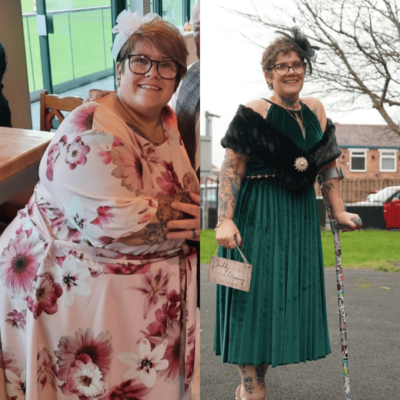
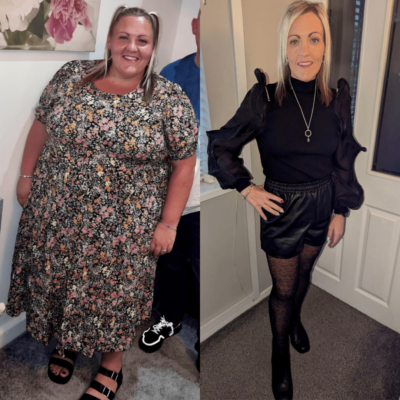
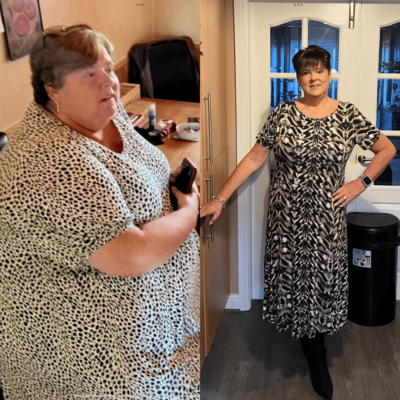
- Typically lose about 1/4 of your body weight
- Flexible Finance available so you can pay monthly
- Improved energy, confidence and self-esteem to do the things you love
- Reduced feelings of hunger
- UK based with 5 star ratings


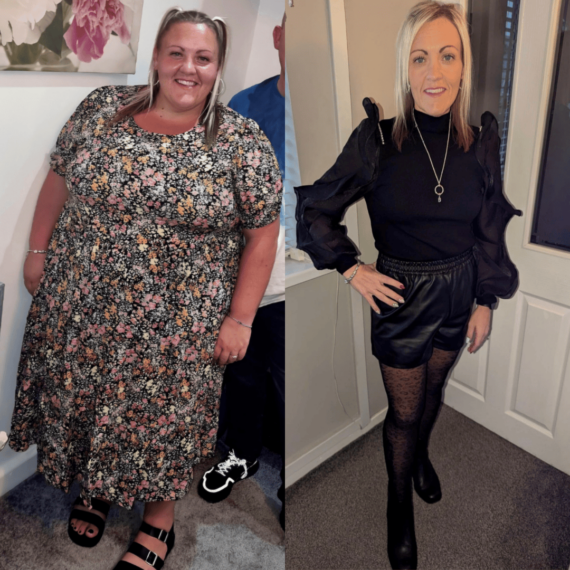
"My RNY Gastric Bypass was performed by Mr Javed who was absolutely amazing. He explained everything clearly to me and put me at ease about my worries. The aftercare I have received has been brilliant with consistent follow up appointments."
"This route in life is far from an easy choice and some days are harder than others, but I believe if you follow the plan and give it your 100% willpower and determination you will get the results."
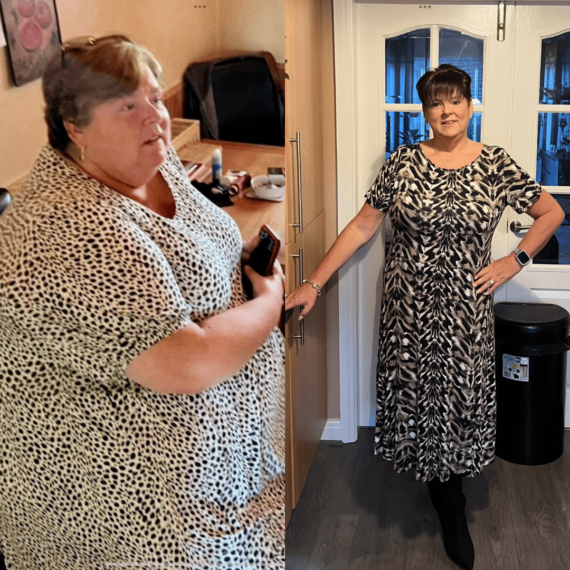
"I cannot recommend Phoenix enough from Melody, Mr Javid and the whole team, in clinic and hospital, to the after care, which is just always a phone call away. I cannot thank them enough for giving me my life back and changing my future."
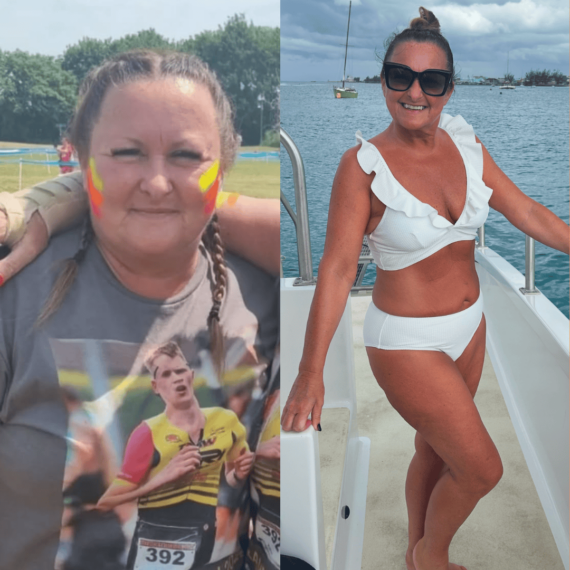
"I honestly never thought this would happen, thank you so much Phoenix Health for everything. When I am asked about my change of lifestyle I am more than happy to mention your company and strongly recommend you to anyone who wants to change their life for the better!"

"Phoenix Health were amazing, making me feel very comfortable and looked after me. After my surgery, Phoenix Health were and are still at the end of the phone. They regularly make appointments and are available 24/7. I am over the moon and still continuing my journey. Phoenix Health have changed my life, thankyou."



If losing weight then putting it all back on sounds familiar, you might want to consider a minimally invasive bariatric (‘keyhole’) surgery like sleeve gastrectomy. Bariatric surgery, also known as stomach or gastric surgery, refers to the group of weight loss procedures that restrict your ability to overeat.
Generally, we’d recommend a gastric sleeve if your BMI is over 35, but if your health is at risk due to medical conditions we will offer surgery at a BMI of 30 or more (BMI 27.5 for Asian or Afro-Caribbean patients). If large portions (especially of savoury foods and bread) are your main problem, a sleeve gastrectomy would be a good option for you.
To ensure a gastric sleeve is right for you, we’ll arrange a triple assessment by a bariatric surgeon, a dietician and a psychologist. This comprehensive consultation is your chance to ask the different professionals any questions about the procedure and recovery process.
Once you’re happy to go ahead, we can usually arrange for your surgery within a month. The procedure is under a full anaesthetic and takes about 35-45 minutes. Most people spend just 2 nights in hospital, with a gradual return to normal activity over 2-3 weeks.
An average result is to lose 2/3 of the excess weight you’re carrying in the first year after surgery – about 25% of your body weight!

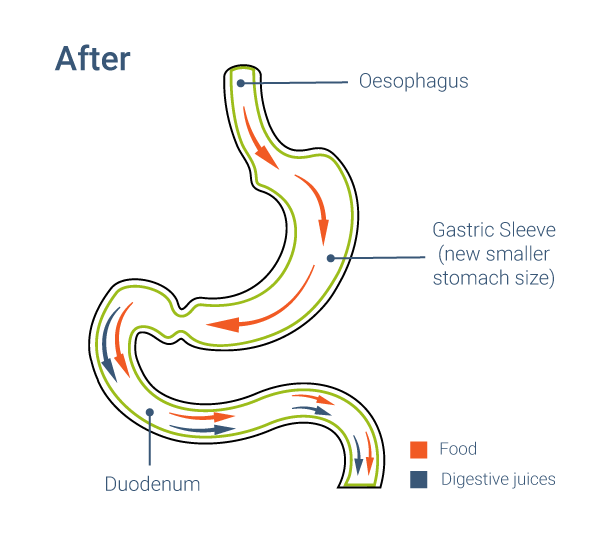
The gastric sleeve (also known as a sleeve gastrectomy) is the world’s most popular weight loss operation.
It’s an effective tool to help you lose weight that’s also proven to help reduce the risks of potentially life-threatening conditions such as diabetes, high blood pressure and sleep apnoea.
The sleeve gastrectomy works in two different ways:
During your pre-op consultation, our expert surgeons will explain the pros and cons of a gastric sleeve and compare it with other weight loss procedures we offer so you can be sure it is the right choice for you.
Watch the animation video to find out more about how we perform a sleeve gastrectomy.
Cost is important, when considering any surgical procedure, but safety is always paramount.
Please don’t risk your life and health by choosing cut-price overseas surgery. UK surgeons regularly see the harm done to patients resulting from botched weight loss operations and inadequate aftercare arrangements.
Our GMC-registered UK-trained surgeons are regulated to a very high standard. They will have an honest and open discussion with you about the risks and benefits of different kinds of surgery and answer any questions you have. You can be confident you are getting good advice, and being treated by a reputable team who will always be there for you after your surgery.
In the right hands even more complex procedures like gastric bypass and sleeve gastrectomy are now safer than gallbladder removal or hip replacement. In the wrong hands they can ruin your life.
If you like the idea of a gastric sleeve, the next step is to arrange a series of in-depth 30-60 minute assessments with your surgeon and dietician. We also ask you to complete a screening questionnaire designed to identify unhelpful psychological or emotional factors (such as binge eating) that might prevent you getting the most out of your surgery. If we feel this is the case, the psychologist will arrange for a 30 minute one-to-one consultation to talk to you in more detail. All of this is covered within a single Triple Assessment fee of £250, although the consultation fee is fully refunded when you undergo treatment with Phoenix Health.
If you’re not suited to gastric sleeve surgery, you won’t have wasted your money as we will discuss alternative options with you at no further charge. It is very rare for someone to be unsuitable for any kind of weight loss intervention.
We don’t believe that ‘one size fits all’ when it comes to aftercare. Our packages allow you to design a programme that suits your individual needs. You can choose the duration of your follow up (from 2 to 10 years) and whether you want extra pre and post-op consultations with our psychologists.
All of our packages include support from dieticians who specialise in the nutritional needs of someone who has had weight loss surgery and all give you on-going access to our surgeons and nurses.
To help you start your journey, we offer a range of flexible finance packages (subject to approval) that can spread the cost over 2- 5 years. Looking after your health is the best investment you can make. The cost can vary depending on the aftercare package you choose. The standard Silver package costs £10,250
We’d be happy to explain the different package options to you.
All Phoenix Health patients are automatically covered for the cost of treating any complications during the first three months after surgery, or for longer periods if our Gold or Platinum enhanced aftercare packages are purchased

What is the waiting time for gastric sleeve surgery?
We can book you in for a free (refundable) assessment within a matter of days.
Once this is completed, if you are suitable for surgery and happy to go ahead, we can give you a provisional date for treatment.
It is always a good idea to have a ‘cooling off’ period when taking big decisions, but even so it’s unusual to have to wait more than 4-6 weeks between consultation and treatment.
You will be treated in a private hospital with a choice of locations around the UK.
How much weight can I expect to lose with gastric sleeve?
The number of stones or kg you lose depends on how high your starting weight was.
A year after a sleeve gastrectomy we’d expect you to have lost about 2/3 of the extra weight you were carrying. So if you were 9 stones overweight this would mean losing 6 stones, but you were 15 stones above your ideal weight at the time of surgery we’d expect you to lose about 10 stones.
How long does the gastric sleeve operation take?
A sleeve gastrectomy takes anything from half an hour to an hour to perform. You are fast asleep under general anaesthesia during surgery, so it will feel like it all happened in the blink of an eye!
Can the gastric sleeve be reversed?
No. Unlike a gastric bypass (in which nothing is taken away), the sleeve gastrectomy involves surgical excision of part of the stomach, so this is a permanent operation that can not be reversed.
What about alcohol after a sleeve gastrectomy? Can I still have a drink?
Alcohol after a gastric sleeve is a bit of a controversial topic. Some experts are concerned that an addiction to food might transfer over to an addiction to alcohol following surgery. Other experts disagree. What we do know is that alcohol is absorbed into the body much more quickly after weight loss surgery, especially after gastric bypass. For this reason if you have had problems with alcohol misuse in past, it may be safer to avoid alcohol altogether or go for an operation that has less effect on alcohol absorption like a sleeve gastrectomy.
However, don’t forget – even after a gastric sleeve, a small amount of alcohol can have a much greater effect than before the operation. And alcohol contains calories, so too much is going to mean less weight loss. A large 250ml glass of 13% wine contains about 230kCal – that’s more than a jam doughnut!
So as a rule of thumb, if you do drink make sure it is in moderation.
Will I be able to absorb my usual medications after the operation?
This is a tough question to answer accurately because of wide variation between individuals, how different types of medication are affected and because drug absorption changes (usually improves) as the months pass after surgery and your body adapts.
In practice it isn’t a major issue for most of our patients and if it is, we tend to see it more after operations that affect absorption such as gastric bypass and SADIS procedures.
Here are a few tips to help you:
1. Oral contraceptives may not be absorbed as well, so swap to a different type of contraceptive method (eg hormone implant, coil, condom etc).
2. Straight after surgery it’s hard to swallow big tablets, so ask your GP/pharmacist (i) is it OK for you to crush the tablet/capsule? or (ii) is there a liquid form you can take for the first 4-6 weeks?
3. You might need to ask your doctor to monitor the effect of surgery on certain drugs such as warfarin (a blood thinner), anti-epileptic medication, slow-release medications (which might not have time to be fully absorbed) and mental health drugs, especially lithium. This monitoring may be done by measuring blood levels or by carefully checking that you are still getting the correct clinical effect from the treatment.
4. Diabetes drugs – gastric bypass and sleeve gastrectomy both have an incredibly rapid beneficial effect on blood sugar control, so it is very likely that medications you take for diabetes will be rapidly reduced in the early months. If you take insulin, it is particularly important to keep a really close eye on your blood sugars and adjust the insulin dose accordingly, otherwise there is a risk of hypoglycaemia.
5. Never take anti-inflammatory painkillers (ibuprofen, voltarol etc) after a gastric sleeve as they are one of the two most common causes of serious ulceration developing within the stomach pouch (the other big risk factor is smoking).
If you take aspirin (another anti-inflammatory) for medical reasons (eg a cardiac stent or after a stroke) you will probably need to stay on it as the risks of stopping are greater than the risk of stomach ulcers. But otherwise, don’t use aspirin as a painkiller – use paracetamol or codeine instead. If in doubt, ask your doctor. Steroids can also cause ulcers, but most people on steroids really need them for other medical conditions and can’t avoid them.
Do you get dumping syndrome after the gastric sleeve? I've heard this can be unpleasant.
No. Dumping syndrome is an unpleasant collection of symptoms (fainting, dizziness, palpitations etc) that gets its name from the effect on the body of large amounts of sugary food being ‘dumped’ into the intestine. We see this after gastric bypass, but it would be very unusual to get dumping syndrome after a sleeve gastrectomy.
If you have got a sweet tooth, your surgeon might recommend a gastric bypass over a sleeve gastrectomy as a means of helping you to moderate your sugar intake after surgery.
How safe is a gastric sleeve?
All modern bariatric operations are very safe, with a mortality of less than 1 in 1,000 in reputable centres.
This takes into account the risk of death associated with ALL of the major early complications combined and is lower than that seen after hip and knee replacement surgery and similar to that after removal of the gallbladder.
At Phoenix Health our 90-day mortality after sleeve gastrectomy is less than 1 in 2,000.
What are the main complications of a gastric sleeve?
It’s best to split the complications of surgery in to those that occur early (in the first few weeks after surgery) and those that can occur later on. This list is not exhaustive, so please feel free to ask our specialists for more details if you have any concerns.
EARLY:
The early complications tend to be the more scary ones, but fortunately they do not happen very often (roughly a 1 in 100 risk or less) when surgery is carried out by an expert team.
LATER COMPLICATIONS:
These tend to be detected during clinical follow-up which is why having good aftercare is so essential.
How much does a gastric sleeve with Phoenix Health cost?
Prices start from £10,250 (2-year Silver aftercare package).
If you’d prefer to spread the cost of your surgery, a Sleeve Gastrectomy is available on flexible finance so you can pay monthly.
Can I get gastric sleeve surgery in Ireland?
At the present time we only offer a gastric balloon service (Elipse and Orbera) and outpatient follow-up/gastric band adjustment clinics in Northern Ireland.
Irish patients wishing to undergo band, sleeve or gastric bypass surgery are treated in England and followed up either virtually or face-to-face in Belfast.
What are your Terms and Conditions?
You can read our terms and conditions here: Phoenix Health Terms and Conditions
Let’s take the first step today. Simply use this form to arrange a chat with one of our team. They’ll be happy to answer any questions you may have about the procedure and set up your free* in-depth consultation with a surgeon and dietician.
Or give us a call on 01244 738 159 (Monday -Friday,
9am -5pm)
*If you decide to proceed through to a consultation there will be a £250 initial charge fully refunded when you undergo treatment with Phoenix Health
"*" indicates required fields